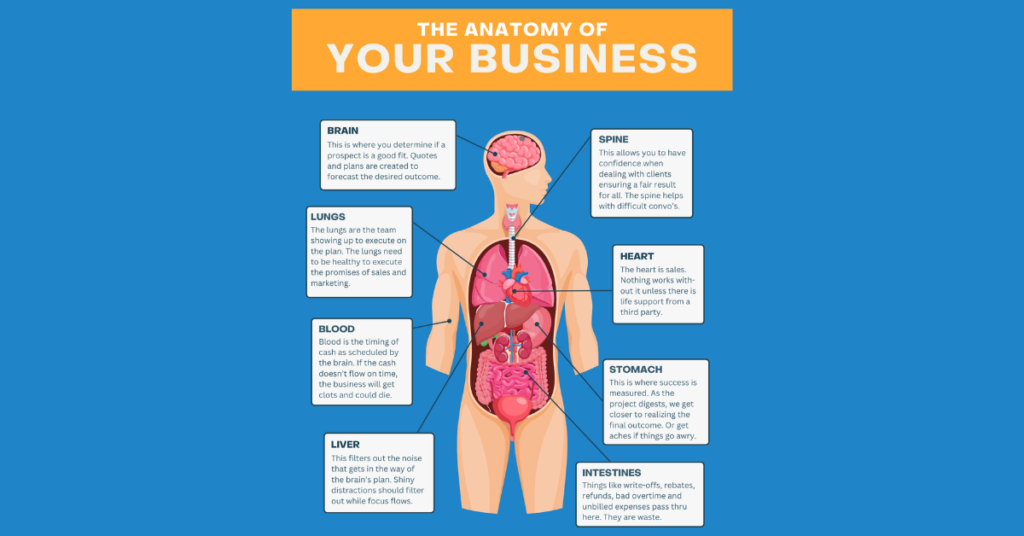
A cash forecast helps you see whether your business can cover its commitments and fund its plans. It connects the cash you have today with the money you expect to receive and pay out. That makes it useful for hiring, purchasing, expansion, and spotting a potential shortfall early enough to act.
What Is Cash Forecasting?
Cash forecasting estimates future cash balances over a defined period. Start with your opening cash balance, add expected cash receipts, and subtract expected payments. The result is the projected closing cash balance, which becomes the next period’s opening balance.
Timing matters. Record customer collections when you expect the money to arrive, rather than simply using the date of a sale. Include payroll, supplier payments, taxes, debt payments, equipment purchases, and other cash movements when they are expected to occur. Use actual payment patterns and known commitments to test your assumptions.
Why Your Company Needs to Incorporate Cash Forecasting into Your Planning
A profitable business can still run short of cash if customers pay after bills come due. A forecast helps you identify that gap and evaluate options, such as customer deposits, different supplier terms, adjusted spending, or financing. Weekly detail can be useful when cash is tight; a longer view helps with growth planning. Update the forecast with actual results and test what happens if collections or sales are delayed.
Differences Between Budgeting and Cash Forecasting
A budget sets a financial plan and targets for a period. A forecast updates what you currently expect based on actual results and new information. A cash forecast focuses specifically on the timing of money coming in and going out and the resulting cash balance. Budgets can also include cash plans; the tools work together rather than dividing neatly into incoming money versus spending.
How to Get Help for Cash Forecasting
Keep your cash forecast simple enough to maintain and detailed enough to support decisions. Start with reliable records, assign responsibility for updates, and compare the forecast with what actually happens. For practical examples of improving cash timing, read how customer and supplier payment terms affect cash flow. For founder-led businesses at $2M+ that need ongoing financial leadership, contact Astero Group to discuss forecasting, profitability, and planning.